Glyphosate, Cancer Risk, and What Patients Can Actually Do
In the past 10 years, it’s likely that glyphosate has been one of the most polarizing products in the world today.
This pesticide is used all across the nation to help increase crop yields and has arguably changed the face of agriculture more than any other product.
Almost everyone is familiar with it, though many may know it as the active ingredient in Roundup.
They may know it is widely used in American agriculture, especially for corn, soybeans, and other large-scale crops.
Some have heard people like Iowa’s Zach Lahn (who recently exploded in popularity online) raise concerns about farm chemicals, cancer rates, polluted water, and the way rural communities are often asked to live with the consequences of industrial agriculture.
But many people do not really understand what glyphosate is, what the cancer research actually says, or what they can do without turning their whole life into a fear project.
So let’s start doing some digging.
All about Glyphosate
Glyphosate is a broad-spectrum herbicide.
It works by blocking the ”shikimate” pathway, which plants and some microorganisms use to make essential amino acids.
Humans do not have that pathway, which is one reason regulators have long considered glyphosate relatively low risk compared with some older herbicides.
But “humans do not have that pathway” does not automatically mean “no concern.”
For instance:
-
Formulations can include other ingredients.
-
Exposure can happen repeatedly.
-
Farm workers may face very different risks than someone eating trace residues in food.
This is why I think the conversation has to be honest.
Glyphosate is not just a social media villain. It is also not something we should wave away because it is convenient.
The cancer question is the center of the debate. In 2015, the International Agency for Research on Cancer classified glyphosate as “probably carcinogenic to humans,” based on limited human evidence, sufficient animal evidence, and strong mechanistic evidence, including genotoxicity.
Other agencies have reached different conclusions. The U.S. EPA has generally not classified glyphosate as likely to cause cancer when used according to label directions, though its 2020 interim registration decision was later withdrawn after court review, and the regulatory process has continued.
So what should patients do with that disagreement?
First, understand that the strongest human concern has been around non-Hodgkin lymphoma, especially in people with higher occupational exposure. A 2019 meta-analysis found that high cumulative exposure to glyphosate-based herbicides was associated with increased risk of non-Hodgkin lymphoma.
At the same time, a large prospective study from the Agricultural Health Study did not find a statistically significant association between glyphosate use and overall cancer or lymphoid malignancies, although it noted some signals that needed more follow-up.
That is the uncomfortable part. The evidence is not simple.
People often point to claims made by Zach Lahn, or Zach Bush, MD, that show there are a lot more cancer cases in the Midwest, where agricultural pesticides are used, than the rest of the country.
But there’s no way we could fairly say glyphosate clearly causes all cancers.
That being said, we can say glyphosate poses serious health risks, enough that the parent company of glyphosate (once Monsanto, now Bayer) has paid billions to cover the damage.
In 2020, Bayer paid about $10 billion in a class action lawsuit based on the harmful effects of Roundup. Reuters also reported that about 67,000 further cases were pending at that time, with Bayer setting aside $5.9 billion in legal provisions.
There were 125,000 claims to begin with, all alleging that Roundup caused cancer, specifically non-Hodgkin lymphoma.
For patients, especially those in agricultural communities, the more useful question is not, “Can we prove one chemical caused one cancer in one person?” The better question is, “How do we lower unnecessary exposure while still living in the real world?”
I mean, really, we know many of these chemicals are far from healthy, so how do we combat that?
This is where Zach Lahn and the MAHA health movement’s broader talking points resonate with many health-conscious people.
People are not only worried about one herbicide. They are worried about the total chemical burden: pesticides, nitrates in water, industrial runoff, corporate influence, and the feeling that public health comes second to production.
Communities deserve clean water, transparent data, and agricultural systems that do not treat illness as an acceptable cost of doing business.
Here’s How to Deal With Glyphosate Exposure
From an integrative medicine perspective, I think focusing on three things can help: reducing exposure, supporting the body’s normal elimination systems, and building resilience.
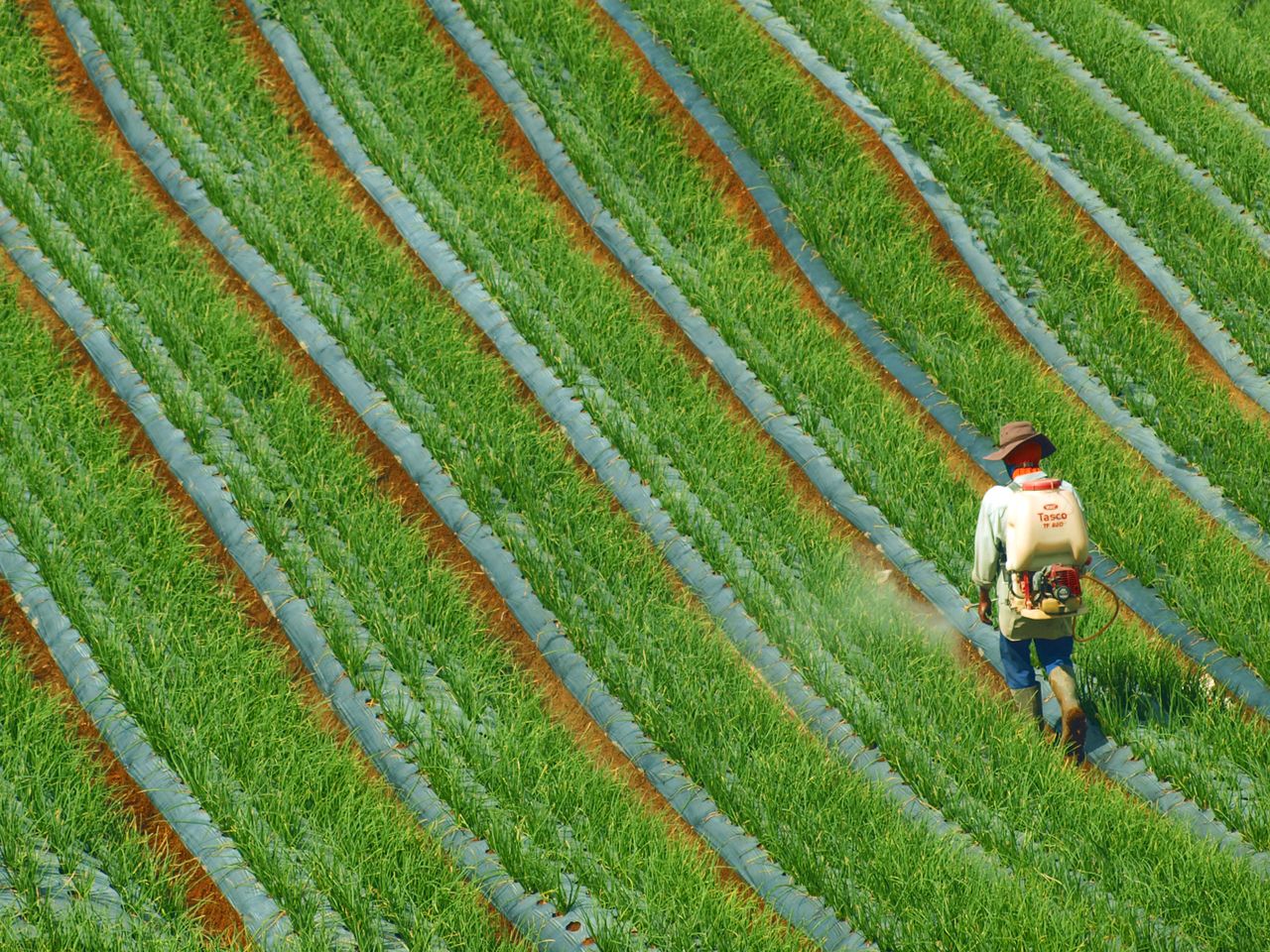
Reducing exposure starts with the obvious but often overlooked. People who apply herbicides should use protective equipment, follow label directions, avoid drift, wash clothing separately, and keep children and pets away from treated areas.
Homeowners can choose non-chemical weed control when possible.
Families who want to reduce dietary exposure can prioritize organic versions of foods commonly treated with herbicides when the budget allows. No one should feel ashamed if organic food is not affordable. You can help reduce exposure by washing produce, which removes dirt and some residues, but it does not eliminate all systemic chemical exposure.
You also want to eat foods that help reduce your toxic burden.
Ensuring you’ve got healthy fats and good amounts of prebiotics and probiotics will help support bowel regularity, bile flow, gut microbial diversity, and the body’s normal detoxification pathways.
Essentially, this diet sets you up to “detox” at your body’s maximum capacity.
Your liver, kidneys, gut, lungs, and lymphatic system detox 24-7.
By giving them the raw materials they need: protein, fiber, minerals, phytonutrients, water, sleep, and steady blood sugar, it will help ensure you can detoxify glyphosate at full blast.
Protein is especially important because liver detoxification enzymes rely on amino acids.
Cruciferous vegetables like broccoli, cabbage, arugula, and Brussels sprouts provide compounds that support normal phase II detoxification pathways. Fiber helps bind waste products in the gut and supports a healthier microbiome. These are not cures for pesticide exposure or cancer.
The gut deserves attention because glyphosate’s target pathway exists in plants and some microbes.
Research is still developing regarding what real-world glyphosate exposure means for the human microbiome, and we should not overstate the implications. But protecting gut health is still a good idea. That means eating enough fiber, fermented foods if tolerated, polyphenol-rich foods like berries and herbs, and avoiding unnecessary antibiotics. In practice, the gut is one of the main sites where environmental exposures, immune activity, and inflammation interact.
There are also specific products, such as ION*Biome Gut Health, that can help mitigate glyphosate exposure.
Testing can be useful, but it should be used wisely. Urinary glyphosate testing can show recent exposure, and CDC biomonitoring data confirm that glyphosate can be detected in urine in the U.S. population. But a detectable level does not automatically indicate disease, nor does it tell us the cancer risk for that individual.
Remember This Too
Trying to pin the formation of myriads of conditions on one chemical isn’t a reasonable thing to do.
And cancer prevention will never come down to doing just one thing.
So many other factors can cause the formation of cancer, whether that’s smoking, alcohol, obesity, insulin resistance, sleep disruption, nutrient status, chronic inflammation, infections, radiation, occupational exposures, family history, or chance.
But environmental chemicals belong in that conversation. Patients should not have to prove harm beyond all doubt before being allowed to ask for cleaner options.
My practical advice is steady. Reduce avoidable exposure. Filter water when appropriate. Choose organic when it matters and when it is financially realistic. Do not spray chemicals casually around the home. Protect the gut, liver, kidneys, and immune system with the boring foundations that actually matter. Keep up with cancer screenings. And if there is a known high exposure, bring it up with a clinician who will take it seriously.
Glyphosate is not the whole cancer story.
But it may be part of the story, especially for people with repeated or occupational exposure. The goal is not panic. The goal is prevention, accountability, and reducing the body’s unnecessary burdens.