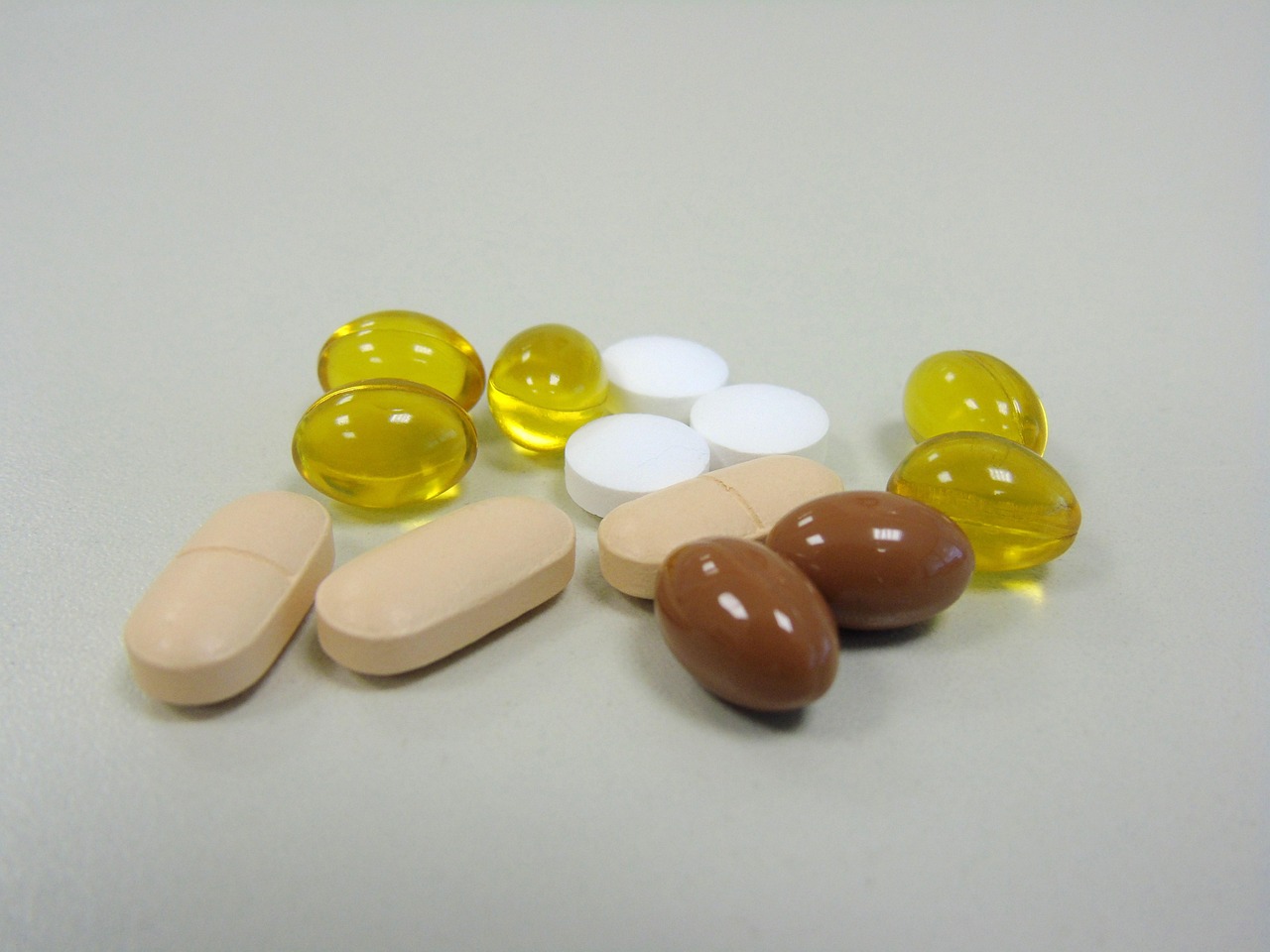
What Is The Best Form Of Supplement Form Matters
I think that one of the most important things people can remember is supplements are, by definition, supplemental.
That may sound obvious, but way too many people look to supplements as a legitimate means of fixing behavioral problems.
Look, a supplement is not meant to replace food, sleep, sunlight, movement.
You can’t destroy your body and use supplements to fix gut health, blood sugar balance, or stress regulation. They are only meant to support those foundations when there is a deficit that behavioral changes can’t fix.
Still, when someone takes a supplement, they are trying to positively modify their biology. Maybe they are trying to correct a deficiency, support energy, calm inflammation, or help the body function more efficiently.
Supplements are not magic…I wish they were. They are, however, great tools and like any tool, the form matters.
Sometimes a basic capsule works beautifully. Sometimes a liposomal form, injection, topical cream, liquid, powder, or different chemical form may be more useful.
Sometimes (maybe even many times) the fancier option is mostly marketing.
That’s why I wrote this, so you can figure out what the best delivery system is.
What Works – And What’s Hype?
A lot of supplement marketing focuses on absorption which makes sense.
If a nutrient never gets into the bloodstream, it cannot do much systemically. But absorption is only one part of the story.
A nutrient may need stomach acid, bile, enzymes, transporters, or a healthy intestinal lining. It may also need conversion, cofactors, the right dose, and the right clinical context.
This is why two people can take the same supplement and have very different responses.
And while standard oral supplements, capsules, tablets, powders, liquids, and softgels may seem like they’re “old school” they’re really not.
As the most common and often the most practical way to supplement, they’re also usually the most affordable, easiest to dose, and easiest to use consistently.
Vitamin B12 is a good example.
Many people assume B12 injections are always better because they bypass digestion. In certain cases, injections may be appropriate.
But human research has shown that high-dose oral B12 can raise B12 levels effectively in many people, even when compared with intramuscular injections.
The same Cochrane review I referenced above found that oral B12 appeared comparable to intramuscular B12 in the small trials available, though the evidence base was limited.
A more recent review also found that oral, sublingual, and intramuscular B12 can all increase B12 levels, with no major differences detected across the routes studied.
That does not mean injections are useless. It means the situation matters. With severe deficiency, neurologic symptoms, bariatric surgery, pernicious anemia, inflammatory bowel disease, poor adherence, or a need for rapid repletion, injections may make sense. For many patients, oral or sublingual forms may be effective, less expensive, and easier to maintain.
The better question is not, “Are injections better?” It is, “Better for whom?”
The Nutrient Form Matters Too
Sometimes the issue is not capsule versus injection. Sometimes it is the actual form of the nutrient.
Magnesium is a simple example. Magnesium oxide, citrate, glycinate, malate, and threonate are not identical in absorption, tolerance, or clinical use. The NIH Office of Dietary Supplements notes that magnesium in more soluble forms tends to be better absorbed than less soluble forms, and that higher supplemental doses can cause loose stools.
So the “best” magnesium depends on the person.
Someone with constipation may do well with magnesium citrate. Someone with loose stools may not. Someone looking for calming support may tolerate glycinate better.
Someone with kidney disease needs more caution because magnesium clearance can be impaired.
A newer or more “active” form is not automatically better for every person. But it may be more appropriate when tolerability, metabolism, lab patterns, pregnancy planning, or prior response are part of the picture.
And What about Liposomal Forms?
Liposomal basically means the nutrient is packaged inside tiny fat-like bubbles called liposomes.
A liposome is made from phospholipids, which are the same general type of fat-like molecules that help make up your cell membranes. So instead of the nutrient just floating freely in a capsule, powder, or liquid, it is wrapped in a microscopic protective “bubble.”
Some nutrients behave differently because they are fat-soluble. Vitamin D, vitamin K, vitamin A, CoQ10, and many plant compounds need fat, bile flow, and digestive capacity to be absorbed well.
That is why the delivery system can matter. In one human study, vitamin D in an oil vehicle produced a greater 25-hydroxyvitamin D response than vitamin D in powder or ethanol vehicles. Other studies suggest formulation can influence absorption, although results vary.
Clinically, taking a fat-soluble supplement with a meal that contains fat may work better than taking it on an empty stomach with coffee.
Liposomal supplements are designed to package a nutrient in tiny fat-like spheres.
This may help protect the ingredient and change how it is absorbed. There is human evidence suggesting liposomal vitamin C can increase blood levels compared with standard vitamin C in some studies, although the size of the advantage varies. (PMC)
That is useful, but it still comes with nuance.
Vitamin C absorption is tightly regulated. Blood levels do not rise endlessly just because someone takes more. So liposomal vitamin C may help when someone wants higher plasma exposure or has digestive tolerance issues.
But for everyday maintenance, regular vitamin C may be adequate and much less expensive.
Enhanced delivery may also be worth considering for poorly absorbed compounds like curcumin, where reviews suggest specialized formulas can substantially change blood levels compared with unformulated curcumin.
Still, clinical impact depends on the condition studied, dose, formulation, and outcome measured.
The practical lesson is simple: enhanced delivery may be worth it when the nutrient is hard to absorb, when the goal requires higher exposure, or when standard forms are not tolerated.
But sometimes using an advanced delivery system is like hiring a limousine to drive someone across the driveway.
Impressive? Sure.
Necessary? Probably not.
If a basic, well-made supplement gets the job done, the fancier form may not be worth the extra cost.
Injections and Topicals
Injections bypass digestion. That can be a major advantage when someone cannot absorb a nutrient through the gut, needs rapid correction, has severe deficiency, or has a condition where oral dosing is unreliable.
But bypassing the gut does not automatically make something safer, more natural, or more effective.
Injections can create higher peaks…and they are almost always more expensive.
They require proper technique and sterility…
They can cause local reactions.
And in many cases they aren’t necessary for maintenance (though it does vary, especially when it comes to hormones etc).
Injections can restore levels while a deeper issue is addressed, but they should not distract from asking why the deficiency happened in the first place.
Topical nutrients are also confusing because patients often hear that they “bypass the gut.” That can be true for certain transdermal medications. But skin is a barrier by design.
When it comes to nutrient creams, sprays, oils, and patches, the evidence is more mixed. A review on transdermal nutrient patches described the concept as promising but emphasized that evidence for efficacy remains limited. (
Topical magnesium may feel relaxing and may help some people with local muscle tension. But the evidence is not strong enough to say it reliably corrects systemic magnesium deficiency better than oral magnesium.
Topical delivery may make sense when the target is local tissue.
It is much less certain when the goal is whole-body nutrient repletion.
The Practical Bottom Line
You can think about every supplement decision living inside a triangle: price, efficacy, and safety.
The most effective form on paper may be too expensive long-term. The cheapest form may not be absorbed well. The most aggressive form may raise levels quickly but may not be the safest choice.
Quality also matter (duh).
The FDA explains that dietary supplements are regulated differently than drugs, and they are generally not approved by the FDA for safety and effectiveness before they are sold. (FDA)
A regular oral supplement may be exactly right. A liposomal form may be helpful when absorption or tolerance is an issue. An injection may be appropriate when deficiency is severe or absorption is impaired. A topical nutrient may be useful for local skin or symptom support, but may not reliably correct systemic deficiency.
The body is not a machine that simply accepts whatever we put into it. It digests, filters, converts, stores, excretes, prioritizes, and adapts.
That is why good supplementation starts with better questions…
-
“What are we trying to change?”
-
“Is there a true deficiency?”
-
“Can the person absorb this nutrient?”
-
“Is the form and dose appropriate?”
-
“Is there a root cause that still needs attention?”
-
“Can this plan be sustained”
Supplements can be powerful when used wisely. Not as shortcuts or replacements for the basics, but as targeted support for a body trying to heal, repair, and function well.