Pork: Is It Good or Bad?
Meat has become one of those foods people argue about as if it has to be either medicine or poison.
If you’ve read my articles on meat, you know I’m a huge proponent of meat consumption.
I’d argue that meat can be a very useful part of a healthy diet.
The reason why is that it provides complete protein, meaning it contains all the essential amino acids the body needs to build and repair tissue
It also supplies nutrients that can be harder to get in the same amounts from plants alone, including vitamin B12, iron, zinc, selenium, and several B vitamins. That matters for muscle, metabolism, immune function, hormones, and healthy aging.
At the same time, not all meat is the same.
Fish is different from poultry. Poultry is different from beef. Beef is different from pork. And fresh pork tenderloin is very different from bacon, sausage, or ham.
That last distinction may be the most important one.
When people hear “pork,” they often think of bacon. Or ribs. Or sausage. Or a heavily processed breakfast meat sitting next to pancakes and syrup. They also might think it’s dirty, because historically the pig has been viewed as a gross animal…and pork, like chicken, cannot be eaten rare because of trichinosis.
But it’s not bad…and let me show you why.
Did You Know Pork Is Technically Red Meat
Pork is often marketed as “the other white meat,” but nutritionally and scientifically, pork is generally grouped with red meat. That is because red meat categories usually include beef, lamb, goat, veal, mutton, and pork.
The only reason I mention this is that people tend to think of red meat as being “bad,” because there are studies linking the consumption of red meat to a higher risk of developing certain diseases.
The concern around red meat comes mostly from observational research linking higher intakes of red and processed meat with certain health risks, especially colorectal cancer and cardiometabolic disease. But observational nutrition research is tricky.
These studies can show associations, but they hardly ever prove that one food directly caused the outcome.
And what we know about many of those studies is they are often built on pretty crummy data.
People who eat large amounts of processed meat may also differ in other ways.
They may eat fewer vegetables, less fiber, more refined carbohydrates, more fried foods, or have different patterns of smoking, alcohol use, exercise, sleep, and healthcare.
And so even if you look at pork being more similar to red meat, that doesn’t mean it’s bad…really.
The Startling Nutritional Value of Pork
Pork is surprisingly good for you, lean pork being even better (I’ll explain why lean is slightly better in a moment).
Lean cuts of pork can provide high-quality protein along with important micronutrients such as thiamin, niacin, vitamin B6, phosphorus, zinc, potassium, and selenium.
Pork is especially notable for thiamin, a B vitamin involved in energy metabolism.
If you’re trying to maintain muscle, stabilize blood sugar, improve satiety, or eat enough protein during aging, illness recovery, or weight loss, lean pork can be useful.
Protein is not just about building biceps… it helps maintain lean tissue, supports immune function, and helps people feel full longer after meals.
As it relates to the fat content of pork, well, it’s not as good for you as fish or beef.
The biggest difference is that pork fat tends to contain more polyunsaturated fat, especially omega-6 linoleic acid.
Beef fat, especially grass-fed beef, tends to be higher in saturated and monounsaturated fats, with more stearic and oleic acids.
Pork fat is more strongly influenced by what the pig eats because pigs are monogastric animals. Their fat reflects their feed more directly. Cattle are ruminants, so their digestive system changes the fat profile more before it becomes body fat.
Cool, huh?
How Does Processing Pork Change It?
One of the best ways to understand meat research is to distinguish between fresh, unprocessed meat and processed meat.
In the large multinational PURE study, published in The American Journal of Clinical Nutrition, researchers followed more than 134,000 people from 21 countries.
They found that higher unprocessed red meat intake was not significantly associated with total mortality or major cardiovascular disease. Poultry intake was also not significantly associated with those outcomes. Processed meat, however, was associated with a higher risk of total mortality and major cardiovascular disease.
Ultimately, this just says “processed and unprocessed meats should not be treated as the same food.”
Which is something I’ve been saying for a while…
However, traditional processed meats are different than processed “fake food meat.”
If you’re trying to compare a processed meat like a simple sausage to a processed meat with a ton of added synthetic ingredients and inflammatory seed oils, the sausage is definitely much better for you.
Again, in this case, the pork isn’t bad, but the ingredients added to it can be.
There is also research showing that lean, unprocessed red meat can be included within a Mediterranean-style eating pattern. In a randomized crossover controlled feeding trial, adults who were overweight or obese consumed Mediterranean-style diets with different amounts of lean, unprocessed red meat. The study found cardiometabolic benefits from the Mediterranean eating pattern, and the amount of lean red meat did not appear to erase those benefits.
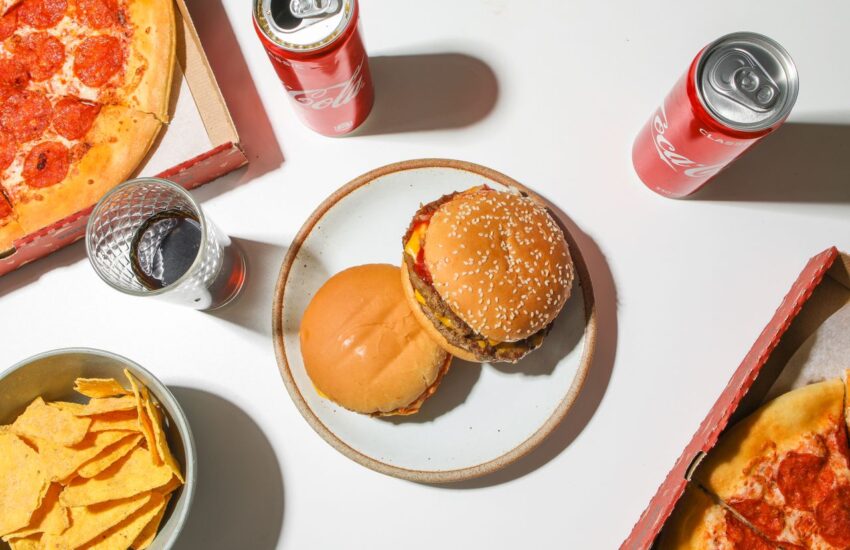
Pork served with beans, greens, olive oil, herbs, fermented vegetables, squash, or sweet potatoes is not the same as pork served with fries, soda, and no fiber.
Your body experiences those meals differently, and your health will be impacted not just by the pork but by the foods built around it.
Cooking Method Matters Too
Pork also needs to be cooked safely. That’s because it can harbor parasitic diseases like trichinosis. This is the one true “bad thing” about pork that doesn’t really affect other red meats
Old advice often led people to overcook pork, making it dry and tough. We’ve all eaten an overcooked pork chop, I’d imagine.
Current USDA guidance states that whole cuts of pork, such as chops and roasts, should be cooked to 145°F and then rested for 3 minutes. Ground pork should be cooked to 160°F. That is the food safety side.
There is also the chemistry of cooking side.
The WHO notes that high-temperature cooking methods, especially direct flame or hot-surface cooking such as barbecuing or pan-frying, can produce more compounds such as polycyclic aromatic hydrocarbons and heterocyclic aromatic amines. I’ve written about these before, and while some people freak out about them, the evidence isn’t strong enough for IARC to draw a firm conclusion about cooking method and cancer risk, but it is still reasonable to avoid charring meat regularly.
A practical middle ground is simple: cook pork thoroughly, but do not turn it into charcoal.
Use marinades, herbs, lower-temperature methods, slow cooking, roasting, braising, or grilling without heavy charring.
So, Is Pork Good or Bad?
Pork is good, no doubt about it.
There are obvious factors that can make it seem unhealthy…but pork provides high-quality protein and important nutrients. It can support satiety, muscle maintenance, and metabolic health when included in a balanced diet.
Fatty cuts aren’t bad either; it’s just that pork might not be as good as beef or fish.
For most people, the best answer is not to fear pork or glorify it. Choose fresh, minimally processed cuts most often. Keep portions reasonable. Pair pork with plants and fruits. Avoid making processed pork a daily habit. Cook it safely. Pay attention to how your body responds.
Pork can absolutely have a place in a healthy diet, so don’t let anyone tell you otherwise.