How Boron Positively Transforms Health
If you’ve followed my articles for any length of time, you know I talk a lot about the minerals most Americans don’t get enough of; whether it’s magnesium, zinc, iodine… the list is longer than it should be.
It’s not like you’ve been set up for mineral success either.
Most of the foods advertised to us on TV are barren of significant amounts of nutrients.
And because of that, many Americans are deficient in minerals they would have had in ample supply a century ago.
But today I want to highlight a mineral that rarely makes headlines, even though it supports an impressive range of biological functions.
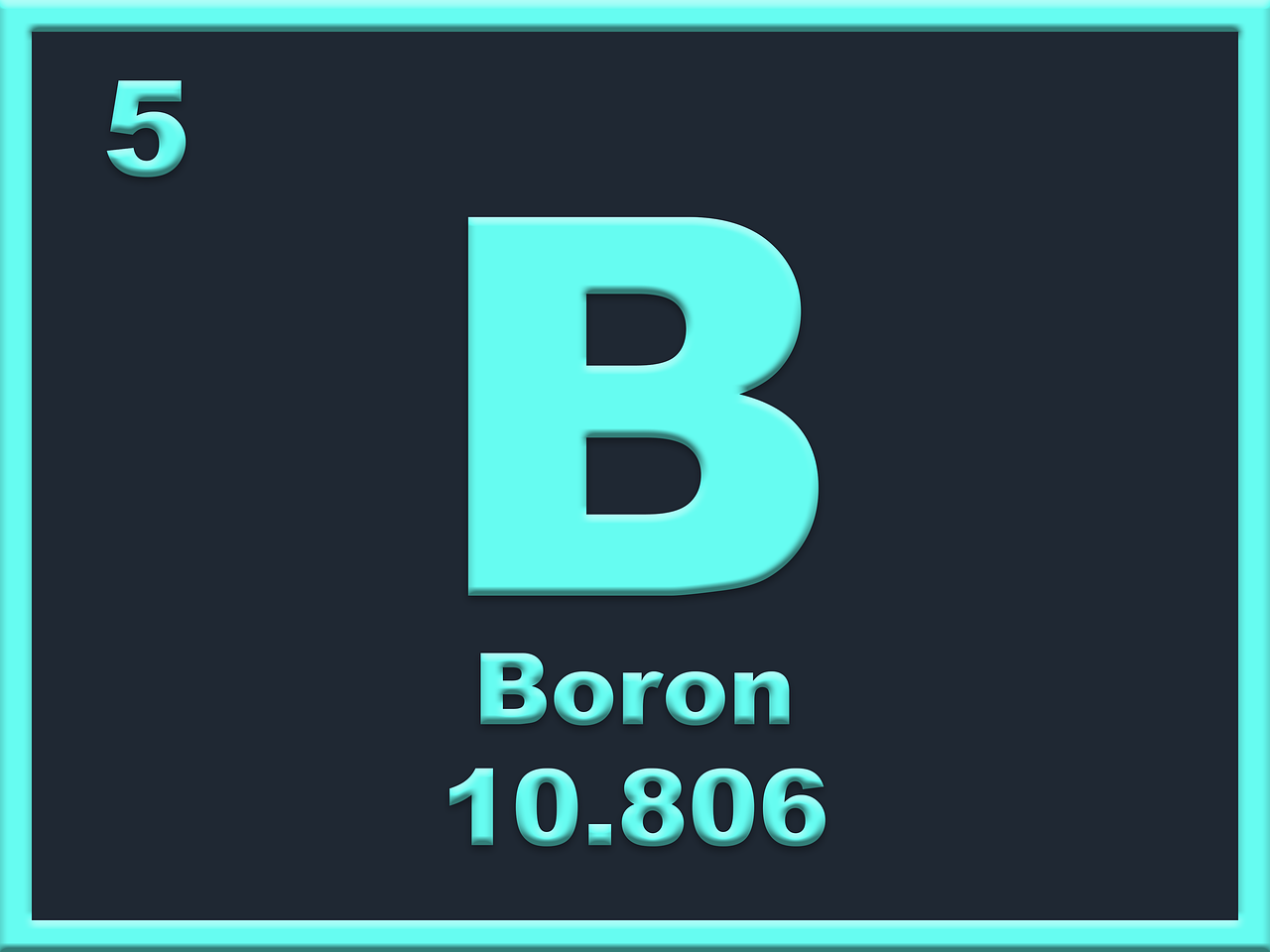
That mineral is boron.
Most people can’t tell you what boron is, where it comes from, or why it matters for your health… but research shows it plays a critical role in bone strength, hormone balance, cognitive function, inflammation control, and even nutrient metabolism.
Today I’ll be showing you what boron actually is, why your body cares about it, the risks of low intake, as well as five research-supported benefits of boron supplementation.
So, What Exactly Is Boron?
When people hear “boron,” many think of (boring) chemistry class or something used in manufacturing, not nutrition.
But boron is a naturally occurring trace mineral found in soil, plants, and water. Your body doesn’t manufacture it, meaning you must get it through diet or supplementation.
Common dietary sources include:
- fruits (especially apples, pears, grapes)
- nuts and legumes
- leafy greens
- prunes and raisins
- avocados
- coffee and red wine (yes, really)
Boron is readily absorbed in the gut and distributed throughout the body, where it influences several biochemical pathways. Researchers now consider boron “conditionally essential,”
This basically means that while the body can function at low levels, optimal health requires adequate intake.
Just like magnesium, the amount of boron we get depends heavily on the mineral content of soil, and modern agricultural practices haven’t done us any favors.
Decades of aggressive farming have depleted boron-rich topsoil, meaning produce grown in the U.S. today contains far less boron than it did 50–100 years ago.
In fact, some regions of the country have extremely low boron levels in soil and water, making deficiency more common than most people realize.
On top of that:
- many processed foods contain virtually zero boron
- fruit consumption is at a historic low
- digestive issues can impact absorption
The result?
Millions of Americans unknowingly consume suboptimal boron levels, even if they “eat healthy.”
Why Boron Is Essential for Human Health
Unlike major minerals that the body needs in gram amounts, boron works behind the scenes in tiny quantities, micrograms to milligrams. Yet, it still affects an impressive range of biological systems.
It plays a role in bone metabolism, helps regulate important hormones, supports joint and cartilage health, assists in the activation of vitamin D, improves the body’s ability to use magnesium, influences brain function and cognition, and even helps modulate key inflammatory pathways.
That’s a lot for one “minor” mineral.
And this leads to an important question…
What happens when you don’t get enough boron?
Well, it’s not great.
Research indicates low boron intake can have subtle but meaningful consequences.
While you won’t see dramatic deficiency symptoms like you would with iodine or iron, the long-term effects can accumulate.
Research suggests low boron intake may contribute to:
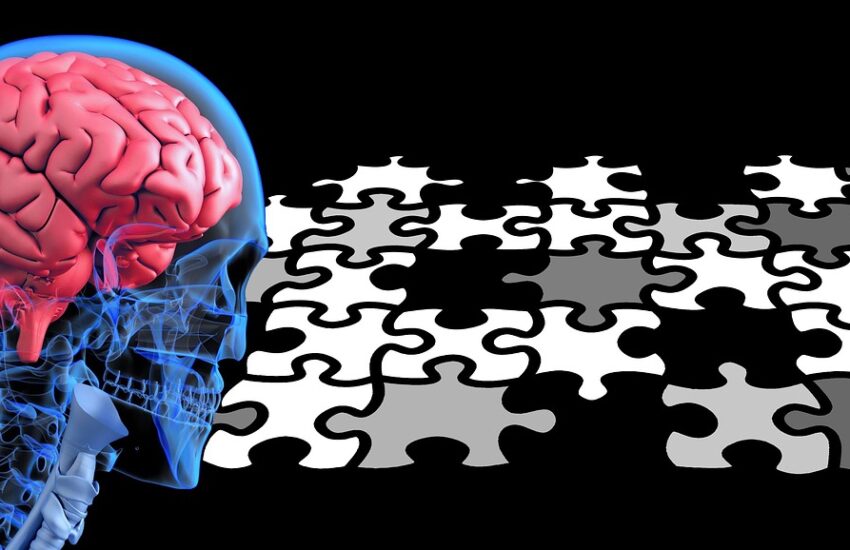
1 – Slower Cognitive Processing & Reduced Brain Alertness:
Studies show boron insufficiency is associated with poorer attention, reduced motor speed, and impaired memory.
So if you want to avoid the consequences of low boron intake (which has been associated with slower brain activity and reduced problem-solving ability as well as poorer memory), supplementation or adequate dietary intake helps restore optimal neurological function.
2 – Weakened Bone Strength Over Time:
Boron deficiency can interfere with calcium, magnesium, and vitamin D metabolism, the three biggest players in bone health. Long-term low intake may contribute to bone loss.
As boron helps regulate the metabolism of calcium, magnesium, and vitamin D, the three foundational nutrients for bone formation and density, studies suggest boron supplementation improves bone strength markers and may help reduce bone loss as we age.
3 – Stiffer Joints & Higher Inflammation:
Boron plays a role in regulating inflammatory cytokines and supporting cartilage integrity.
Since boron plays a significant role in modulating inflammatory markers, some research shows that people living in boron-rich regions have far lower rates of arthritis, suggesting that ensuring adequate levels could lower inflammation.
4 – Hormonal Dysregulation:
Low boron levels can influence testosterone, estrogen, and vitamin D activity, which affects mood, bone health, energy, and metabolic function.
Boron influences the production and metabolism of steroid hormones. In men, it has been shown to increase free testosterone levels. In women, boron supports estrogen balance which is especially important during menopause.
5 – Poor Nutrient Utilization:
Boron helps the body properly use magnesium, calcium, and phosphorus. Without it, even a good diet (or good supplement routine) doesn’t work as efficiently.
In short, most people don’t realize how many downstream systems rely on adequate boron intake.
When Should You Consider a Boron Supplement?
You may benefit from boron supplementation if your diet is low in fruits or plant-based foods, if you follow a low-carb or carnivore – style eating pattern, or if you have concerns about bone density or persistent joint stiffness.
Boron may also be helpful if you’re looking for hormonal support, improved cognitive clarity, or better nutrient absorption and utilization, such as magnesium and vitamin D.
And because boron is a trace mineral, you don’t need large amounts, just enough to restore optimal function.
Most studies show benefits in the range of 3–10 mg per day, depending on your goals.
Just like magnesium, boron is one of those “quiet” nutrients that most people miss out on, even though it plays a major role in how we feel, move, and age.
With modern food grown in mineral-depleted soil and fruit consumption at historic lows, it’s no surprise that many people operate with less-than-optimal boron levels.
The good news?
A small daily dose can have a big impact on bone strength, hormones, inflammation, and cognitive function.