Why Wild Game Is One of the Most Underrated Ways to Eat Meat
I’m a fan of eating meat.
If you’ve been paying attention to my articles for the past decade, you can tell that.
Meat provides complete protein and nutrients that can be harder to get in meaningful amounts elsewhere, including highly bioavailable iron, zinc, and vitamin B12.
And if someone enjoys meat and tolerates it well, I see no reason it can’t be part of a very healthy diet.
But within the meat category, wild game deserves more attention.
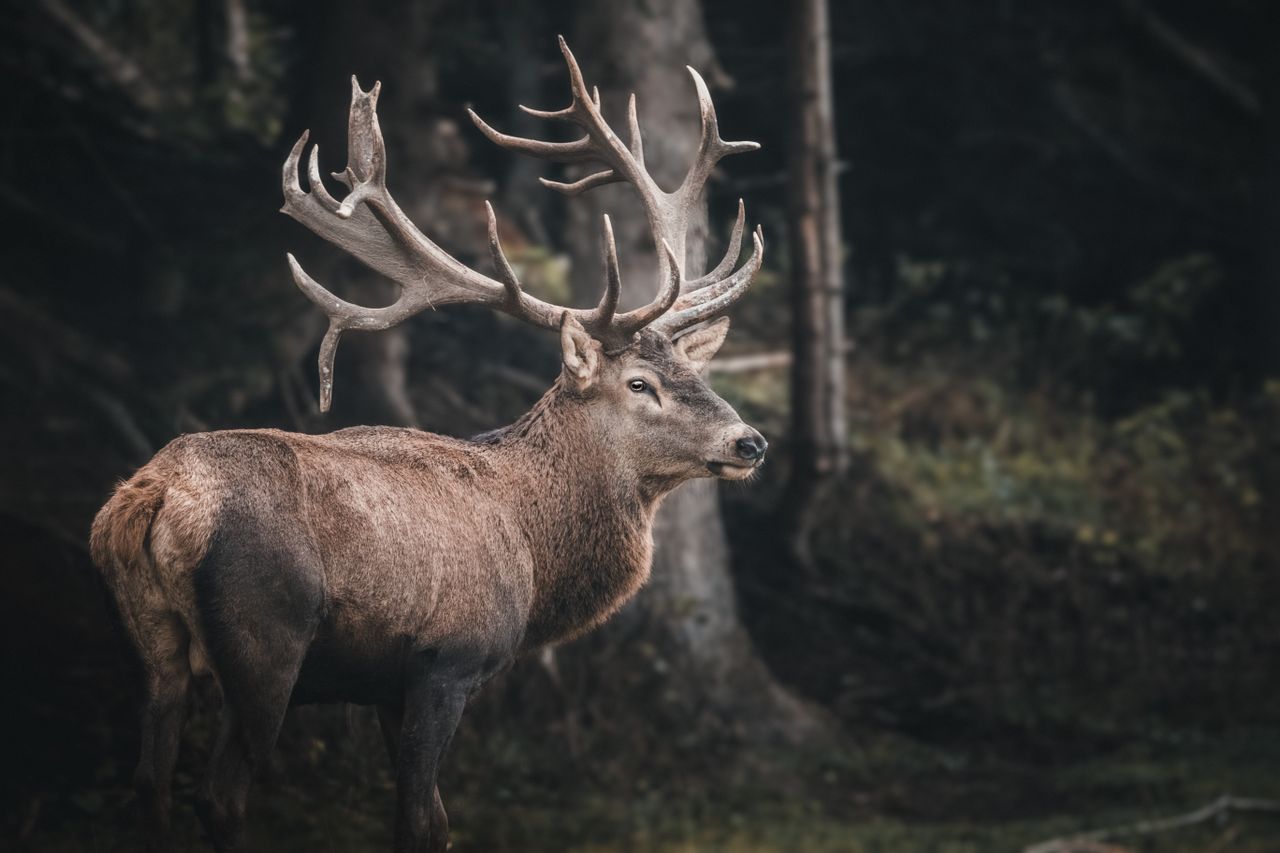
Deer, elk, moose, antelope, wild turkey, and other game animals provide excellent protein, and many are remarkably lean.
They also come from animals that spent their lives moving, foraging, and eating their natural diets rather than being raised specifically to maximize growth.
That doesn’t automatically make every piece of wild game superior to every piece of farm-raised meat.
But nutritionally, there’s a lot to like.
4 Reasons to Turn to Wild Game
In my mind, wild game is something you have to hunt to eat.
Some people might assume free-range animals on private land are wild game, and in my opinion, it all depends on whether the animal lived a “wild life” with little to no human interaction.
With that being clear, let’s talk about how wild game can help to nourish you.
1 – You Get a Lot of Protein Without Much Fat:
This is probably the most obvious advantage of wild game, and not that fat is bad.
Wild ruminant meats tend to contain a lot of protein relative to their total calories. Studies of hunted game commonly find protein concentrations above 20% while fat content is often quite low.
Research on wild deer, for example, has found meat with roughly 20–23% protein and only a few percent fat, although the exact numbers depend on the animal, season, and cut.
That makes venison or elk particularly useful for someone trying to get adequate protein without adding many calories.
Protein becomes increasingly important as we age because preserving muscle becomes harder. It also helps with satiety, recovery, and maintaining strength.
That doesn’t make fat bad.
I’m certainly not afraid of healthy animal fats.
It simply makes wild game a very efficient protein source.
2 – Wild Game Is Rich in Iron, Zinc and B Vitamins:
You don’t need a multivitamin if you’re getting a lot of wild game in your diet.
At least “red meat.”
For instance, wild deer meat can provide substantial amounts of iron, zinc, and vitamin B12, along with phosphorus, copper, riboflavin, and niacin.
Iron from meat is primarily heme iron, which the body generally absorbs more efficiently than non-heme iron from plants.
If you struggle to keep iron levels up, this can be a big help.
Zinc supports immune function, wound healing, and hundreds of enzymatic reactions. Vitamin B12 is essential for red blood cell production, neurologic function, and DNA synthesis.
In other words, this isn’t just protein.
Wild game is nutrient-dense food. But keep in mind wild fowl aren’t as rich in iron as red meat.
3 – The Fat Profile Can Be Pretty Impressive:
Wild animals generally don’t carry much intramuscular fat because they spend their lives moving.
A review of game and venison found very low muscle-fat levels along with relatively favorable ratios of polyunsaturated to saturated fats and omega-6 to omega-3 fatty acids.
More recent analyses have found similar patterns, although species and even individual muscles vary considerably.
Does that mean venison should replace a good grass-fed steak?
Not necessarily.
Beef brings its own nutritional strengths, and fatty cuts can be extremely satisfying. But somebody who wants a lean red meat with an excellent nutrient profile could do a lot worse than a freezer full of venison.
Wild fowl adds a useful wrinkle because the fat profile varies a lot by species and by whether you eat the skin.
Wild turkey is typically very lean, especially the breast meat. It tends to be high in protein with relatively little total fat, making it closer nutritionally to very lean venison than to conventional poultry dark meat.
Wild duck is different. Duck generally contains more fat, especially in and under the skin, and the exact profile depends on the species, season, and diet. Much of duck fat is monounsaturated, with meaningful amounts of polyunsaturated fat as well. If you remove the skin, the meat becomes considerably leaner.
So from a practical standpoint, wild turkey is usually the leaner choice, while wild duck provides more fat and a richer flavor. Neither is inherently “better”; they just fill different nutritional goals.
4. It Starts Off Minimally Processed
I think this benefit gets overlooked.
A deer steak is meat.
There isn’t much mystery involved.
Compare that with many processed meat products containing added sugar, fillers, and large amounts of sodium. The difference isn’t that meat itself suddenly becomes unhealthy. It’s that the farther we move from recognizable food, the easier it becomes to create something nutritionally very different.
Wild game works beautifully as a basic whole-food protein: venison steaks, elk roasts, turkey, stews, burgers, and ground meat.
Of course, you can turn venison into heavily processed sausage too.
How you prepare it still matters.
The good news is that you have control over how it goes from the field to the table
Where Wild Game Doesn’t Shine
Just because it “comes from nature” doesn’t mean that wild game is superior in every way,
For one, oftentimes wild game is taken down with lead ammo, and lead bullets can fragment on impact, and those fragments may remain in meat well beyond the visible wound channel.
Public-health investigations have found lead fragments in processed venison, particularly ground meat. Using non-lead ammunition is one straightforward way to reduce that risk.
Then there’s chronic wasting disease, or CWD.
CWD is a prion disease affecting deer, elk, moose, and related species. There have been no confirmed human cases, but CDC recommends that hunters in areas where CWD occurs strongly consider testing deer or elk before eating them and avoid consuming an animal that tests positive. CWD has now been reported in wild animals across 37 continental U.S. states.
Wild game also requires careful handling and cooking.
Wild bear and some other game can carry Trichinella parasites. USDA notes that many U.S. cases of trichinellosis today are linked to raw or undercooked wild game, and home freezing shouldn’t be relied on to eliminate the parasite.
Those aren’t reasons to avoid wild game but are reasons to respect where your food came from.
Wild Doesn’t Automatically Mean Better
There’s one other point worth making.
Wild game varies.
The nutritional composition of an elk changes with age, season, diet, and cut. A wild hog isn’t nutritionally identical to a deer.
And game meat that’s poorly field-dressed or improperly stored isn’t healthier just because the animal lived outdoors.
Where you kill it, when you kill it, and what happens after the animal dies all matter.
And the current evidence mostly tells us about nutrient composition, not long-term clinical outcomes. We can confidently say many wild game meats are lean, high in protein, and rich in several micronutrients.
Saying they prevent heart disease or extend lifespan would go beyond any available evidence.
If you already eat meat, I think wild game is one of the better options to add to your meal rotation.
You get high-quality protein, iron, zinc, B12, and other nutrients in a food that is often exceptionally lean and minimally processed.
Just handle it intelligently.
Use non-lead ammunition when possible. Know whether CWD is present in your hunting area. Test animals when recommended. Cook higher-risk game meats appropriately.
And don’t assume “wild” overrides basic food safety.
Do those things, and venison, elk, and other game can be an outstanding part of a nutrient-dense diet.
For a lot of people, some of the healthiest meat available may already be walking through the woods.