How Healthy Are Fall Spices?
Can you name the traditional fall spices off the top of your head?
Maybe, maybe not.
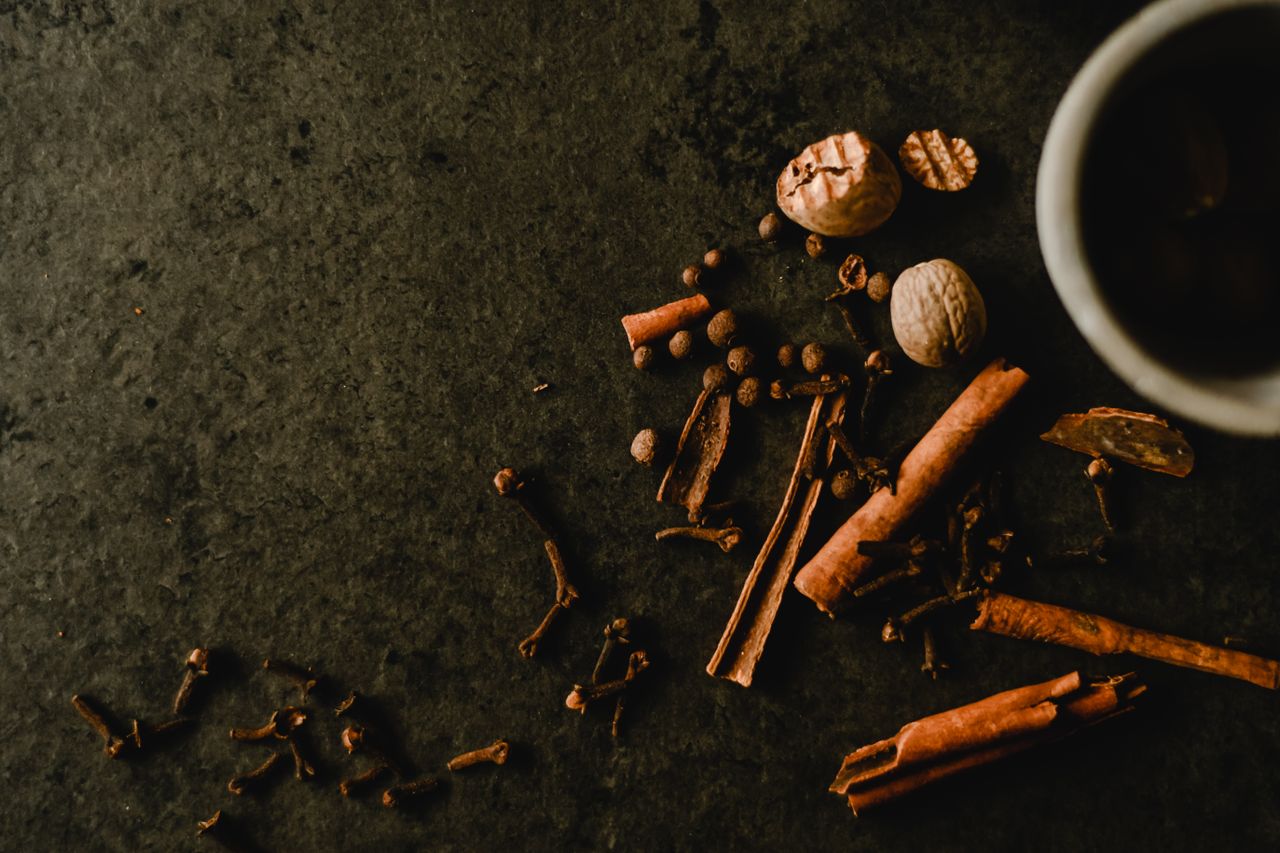
For most people, cinnamon, ginger, nutmeg, and cloves are synonymous with fall.
They show up in apple cider, pumpkin pie, oatmeal, coffee, and just about every baked good that starts appearing as the weather cools.
I’m sure most of us think of them as flavor or smells…
The cool thing is that they don’t just make life a bit more enjoyable; these spices contain biologically active plant compounds, and traditional medicine systems have used several for hundreds, if not thousands, of years.
Of the familiar fall spices, cinnamon and ginger probably have the strongest human research behind them.
Cloves and nutmeg contain interesting compounds too, but the evidence supporting specific health benefits in humans is much thinner.
So I wouldn’t think of pumpkin spice as a treatment in a spice mix.
But these spices are an easy way to add potentially useful plant compounds to foods we already eat without requiring another capsule or supplement.
Here’s How Cinnamon Could Change Your Life
I believe one of the best ways to positively affect health is to address blood sugar head-on.
The better your blood sugar is, the less likely you are to deal with myriads of chronic health issues.
And one of the main fall spices, cinnamon, can help move your metabolic health in the right direction.
Several compounds in cinnamon appear to interact with pathways involved in glucose metabolism and insulin signaling. That has led researchers to investigate whether cinnamon supplementation might help people with type 2 diabetes.
A 2024 systematic review and meta-analysis included 24 randomized controlled trials and found that cinnamon supplementation was associated with reductions in fasting blood glucose, insulin resistance, and hemoglobin A1C compared with control groups.
The researchers concluded that cinnamon may be an adjunct for glucose management. They didn’t conclude that it replaces diabetes medication, exercise, weight management, or dietary change.
Not bad for something that gives squash a bit more “oomph.”
Best of all is if you want more cinnamon in your diet, you don’t have to wait until fall… You can add it to oatmeal, plain yogurt, coffee, fruit, or roasted vegetables. Cinnamon can also provide sweetness and warmth without actually adding sugar.
That last part may be one of its most practical benefits.
There is a small caution with cinnamon.
Most cinnamon sold in American grocery stores is cassia cinnamon. Cassia contains a naturally occurring compound called coumarin.
For most people using normal culinary amounts, that isn’t a major concern. But repeated intake of large quantities or concentrated cinnamon supplements can provide considerably more coumarin, which may be problematic for the liver in susceptible individuals.
Ceylon cinnamon (like in our Blood Sugar Syn3rgy), sometimes called “true cinnamon,” generally contains much less coumarin.
The National Center for Complementary and Integrative Health specifically notes that prolonged use of large amounts of cassia cinnamon may be a concern for people with liver disease.
This doesn’t mean people need to fear cinnamon.
It means there’s a meaningful difference between sprinkling cinnamon on breakfast and taking concentrated grams of it every day as though it were a medication. It’s important to know what you’re putting into your body and what it can do to you.
Ginger Does Some Cool Things
Ginger is one of those spices I’ve talked about plenty and I like it for different reasons.
Heck, I included it in our multivitamin, prenatal, and new Teen Boy Multivitamin because it’s so well researched (and multivitamins can upset your stomach; ginger can help offset that).
Ginger has active compounds, including gingerols and shogaols, that have been extensively investigated for effects on inflammation, nausea, and gastrointestinal function.
One meta-analysis of 16 randomized controlled trials involving more than 1,000 participants found that ginger supplementation reduced some inflammatory markers, including C-reactive protein and TNF-alpha. It didn’t significantly improve every measured inflammatory marker, and studies varied considerably.
So I wouldn’t describe ginger as a natural anti-inflammatory drug.
But there is enough human evidence to say its effects on inflammatory signaling deserve attention.
Ginger also has a long history of use for digestive discomfort and nausea, and there’s some clinical research supporting that reputation.
A small randomized study in patients with functional dyspepsia found that ginger accelerated gastric emptying compared with placebo.
Interestingly, faster emptying didn’t automatically translate into major symptom improvement in that study.
That’s a useful reminder that changing one physiological measurement doesn’t always mean someone will feel dramatically better.
Larger and newer studies have continued to explore ginger for digestive symptoms, and research into nausea, including chemotherapy-associated and postoperative nausea, also suggests possible benefits in certain settings.
Check This Out about Cloves
Cloves have one of the highest concentrations of aromatic compounds among common culinary spices.
Much of that comes from eugenol, a plant compound with antioxidant and antimicrobial activity in laboratory studies.
This is where I think we have to be particularly disciplined about language.
A compound neutralizing free radicals in a laboratory dish doesn’t automatically mean sprinkling cloves into oatmeal prevents disease.
Cloves and eugenol have shown interesting antioxidant, antimicrobial, and anti-inflammatory effects in preclinical research.
But compared with cinnamon and ginger, we have far less high-quality human evidence showing that culinary clove intake produces meaningful clinical outcomes.
That doesn’t make cloves unhelpful, OK?
They’re a flavorful source of plant compounds, and incorporating small culinary amounts into food is perfectly reasonable for most people.
I just wouldn’t turn them into a high-dose “antioxidant treatment” based on laboratory studies alone. Not that you could even stomach the amount it would take to get a therapeutic effect.
This is one of those places where food can simply remain food.
Nutmeg May Be the Spice Where More Is Definitely Not Better
Nutmeg is another fascinating spice with a long history of culinary and traditional use.
It contains a compound called myristicin, along with several other aromatic phytochemicals that have demonstrated biological activity in laboratory and animal research.
There’s considerably less convincing human clinical evidence showing that nutmeg itself improves inflammation, immune function, blood sugar or digestion.
And nutmeg has an unusual safety consideration.
In the small quantities used for cooking, it’s generally just a spice.
But consuming very large amounts can produce toxic effects. Myristicin has been associated with neurologic and cardiovascular symptoms, including agitation, confusion, rapid heartbeat, and hallucinations in cases of nutmeg intoxication.
That’s a good example of why “natural” doesn’t automatically mean “the more, the better.”
Use nutmeg to season food.
There’s no compelling reason to start eating it by the spoonful.
The Pumpkin-Spice Problem
There’s also an elephant in the coffee shop.
Adding cinnamon, ginger, cloves, and nutmeg to something doesn’t automatically make it healthy.
I know, wouldn’t that be nice
A heavily sweetened pumpkin-flavored coffee can contain several useful spices and still deliver a substantial amount of added sugar. Same goes for pumpkin pie, muffins, and most seasonal baked goods.
I’d rather use the spices in foods that support metabolic health in the first place.
…add cinnamon and nutmeg to oatmeal.
…put ginger into tea or stir-fries.
…use cinnamon, ginger, and cloves with roasted apples or pears.
This is where integrative nutrition becomes very practical. We don’t always need a therapeutic dose of an isolated compound.
Sometimes we can simply make good food taste better.
And remember, using these spices to treat health issues isn’t the right approach. You suffer from insulin resistance, chronic inflammation, or digestive problems; the last thing you should do is continue life as normal and just add a few supplements to your daily pill load. I’m not going to prescribe cinnamon and call the problem solved.
Instead, you need to look at the larger picture.
How much added sugar are you eating? Are you getting enough fiber? Are vegetables and protein showing up consistently in your diet? Are you exercising consistently? Are you sleeping adequately? Is there an underlying medical condition that needs treatment?
Those things carry considerably more weight than whether someone adds cloves to their morning coffee.
But spices can become part of that bigger pattern.
They add flavor without much sugar, sodium, or calories. Many contain interesting phytochemicals. And with cinnamon and ginger, we have enough human research to think some of their traditional reputation probably has a legitimate biological foundation.
That’s a pretty good return for something already sitting in the spice cabinet.
So enjoy the cinnamon. Use fresh ginger. Sprinkle some nutmeg. Put cloves in cider.
Just remember that the healthiest part of fall spices may not be turning them into supplements.
It may be using them to make healthy food taste like something you actually want to eat.