Is There a New Way to Treat Knee Arthritis?
Knee arthritis is one of the most common health complaints amongst aging Americans.
It’s a condition that has forced people to do all kinds of “crazy things” to fix the pain.
The good news, at least according to a new study, is that for many people with knee osteoarthritis, relief may not have to start with another medication, injection, or expensive device.
It may start with something much more practical: a brace, water-based movement, or regular exercise.
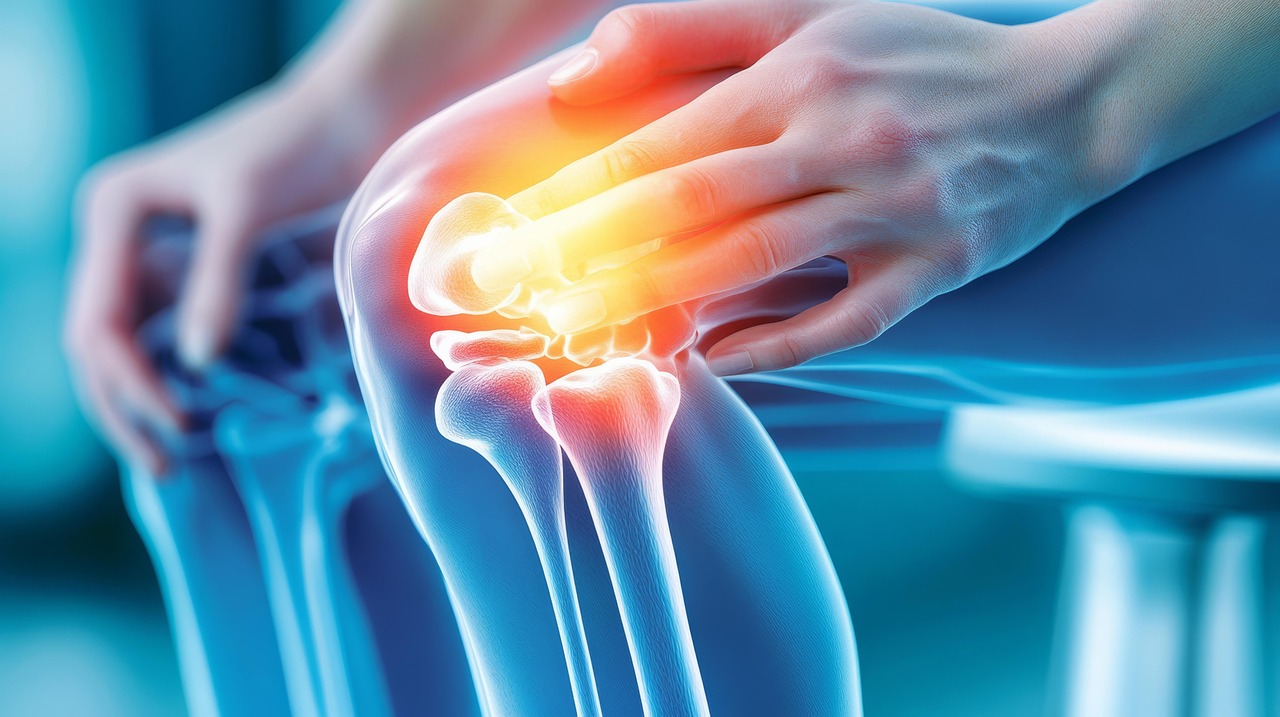
Knee Osteoarthritis: It happens when the cartilage that cushions the knee joint gradually breaks down. Over time, this can lead to pain, swelling, stiffness, and trouble with basic activities like walking, climbing stairs, getting out of a chair, or standing for long periods.
With this, a walk around the neighborhood gets shorter… stairs become something to avoid… exercise starts to feel risky (which isn’t helpful)… and when movement hurts, people often move less, which can make strength, balance, weight, blood sugar, and overall health harder to manage.
Anti-inflammatory medications can help some patients, but they are not a long-term solution. With frequent use, especially in older adults or people with certain health risks, these drugs can raise the risk of stomach bleeding, kidney strain, blood pressure issues, and heart-related complications.
So the question becomes: what can help people move better and hurt less without adding unnecessary risk?
What the Studies Found about Treating Knee Arthritis
A broad review published in PLOS One looked at 139 clinical trials involving nearly 10,000 patients with knee osteoarthritis. The researchers compared 12 different non-drug therapies, including knee braces, hydrotherapy, exercise, laser treatments, shock wave therapy, ultrasound therapy, and shoe inserts.
The goal was to see how these options stacked up against each other in real patients.
Knee braces came out looking especially strong.
They were linked with less pain, better joint function, and reduced stiffness. That makes practical sense. A brace can help support the knee, improve stability, and shift some of the mechanical load across the joint.
For everyday people, that can mean more confidence walking across a parking lot, going up steps, or staying active without feeling like the knee may give out.
Hydrotherapy also performed well. This usually means guided movement in warm water.
The water helps take pressure off the joints while still allowing muscles to work. For someone who finds land-based exercise painful or intimidating, that can be a big deal.
Exercise itself also ranked highly.
That advice may sound familiar; Dr. Wiggy talks about the merits of exercise all the time, and it still holds up. Stronger muscles help support the knee. Better movement helps maintain function. Staying active can also support body weight, circulation, mood, and metabolic health.
…the hard part is that telling someone with knee pain to “just exercise” rarely helps.
A better approach starts with the kind of movement they can actually tolerate. Sometimes that means water-based exercise. Sometimes it means physical therapy. Sometimes it means short walks, chair exercises, strength training, or a brace that makes movement feel possible again.
Advanced Therapies Had Mixed Results
High-intensity laser therapy and shock wave therapy showed moderate benefit, especially for pain.
Low-level laser therapy also showed some promise. These treatments may help certain patients, though they are often more expensive, less accessible, and harder to use consistently.
Ultrasound therapy performed poorly in this analysis.
It ranked near the bottom across several outcomes. That is worth noting because ultrasound is still used in some physical therapy settings. Based on this review, it may offer limited value for knee osteoarthritis compared with simpler options.
Shoe inserts were also underwhelming. Lateral wedge insoles are designed to shift pressure away from a portion of the knee, but in this analysis, they offered little benefit compared with regular shoes. Some patients may still try them if they are low-cost and comfortable. The evidence here just does not suggest they should be a major focus.
The bigger message is that the treatment should fit the person.
Knee osteoarthritis can look different in different patients. Some people have more stiffness. Some have more instability. Some have weight-related joint strain. Others are dealing with old sports injuries, poor hip strength, flat feet, inflammation, or years of repetitive stress on the joint.
Still, this study points toward something useful and fair: some of the most effective options are also among the most accessible.
A knee brace is not glamorous. Water exercise is not cutting-edge. Regular movement does not sound like a medical breakthrough. For many patients, though, these are the things that may actually help them function.
That matters in a healthcare system where newer, more expensive treatments often receive more attention than practical ones.
The researchers also noted some limitations. The studies varied in design, treatment length, and participant size, so the rankings should not be treated as final or perfect. More research is needed to understand which combinations work best, how long the benefits last, and which patients are most likely to respond.
Even with those caveats, the direction is useful.
For many people with knee osteoarthritis, the first steps need not be complicated. Support the joint. Keep the body moving. Reduce avoidable risk. Use the simplest effective tools before jumping to more expensive or invasive options.
While that kind of care may not sound flashy, it can help people walk farther, move with more confidence, and keep doing the small daily things that make life feel normal.